












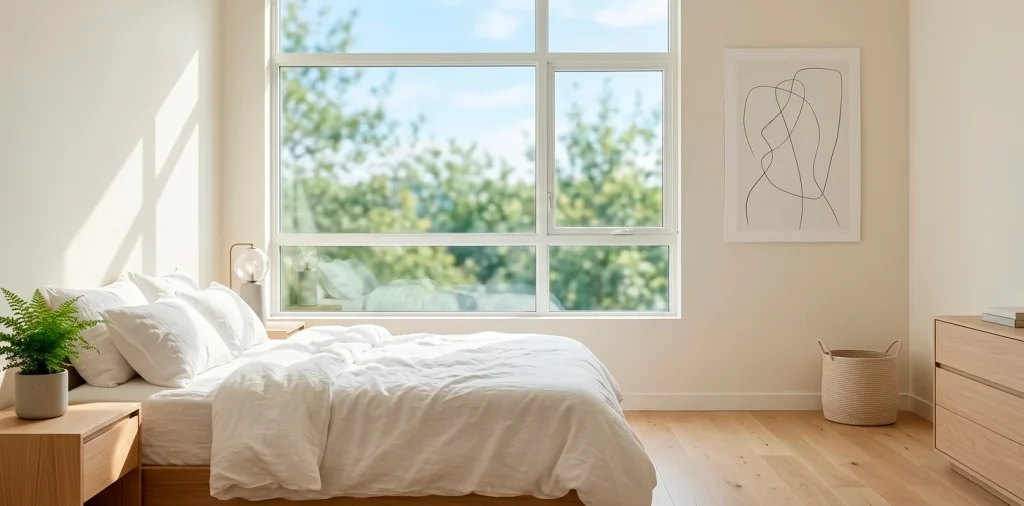

Stop living in a furniture Tetris game! Moving into my first tiny apartment felt like trying to park a bus in a shoebox, and I spent way too many hours dragging my mattress across the floor hoping for a miracle. If you are tired of bruised shins and zero walking room, let’s finally figure out where your bed actually belongs to save your sanity.
The Power of the Corner Nook
Shoving your bed into a corner is the classic small room move for a reason. I call it the ‘cozy nook’ strategy. By hugging two walls, you immediately open up a massive chunk of floor space for everything else. It creates a clear, unobstructed pathway from the door to the rest of the room, which makes the entire area feel twice as big instantly.
Ever thought about how much space a bed eats when it sits in the middle of a wall? IMO, corner placement wins for maximum floor real estate every time. Just make sure you grab some washable wall paint, or your pillows will definitely leave a mark on those walls over time. It is a small price to pay for actually being able to open your closet door all the way for once.
Under the Window Magic
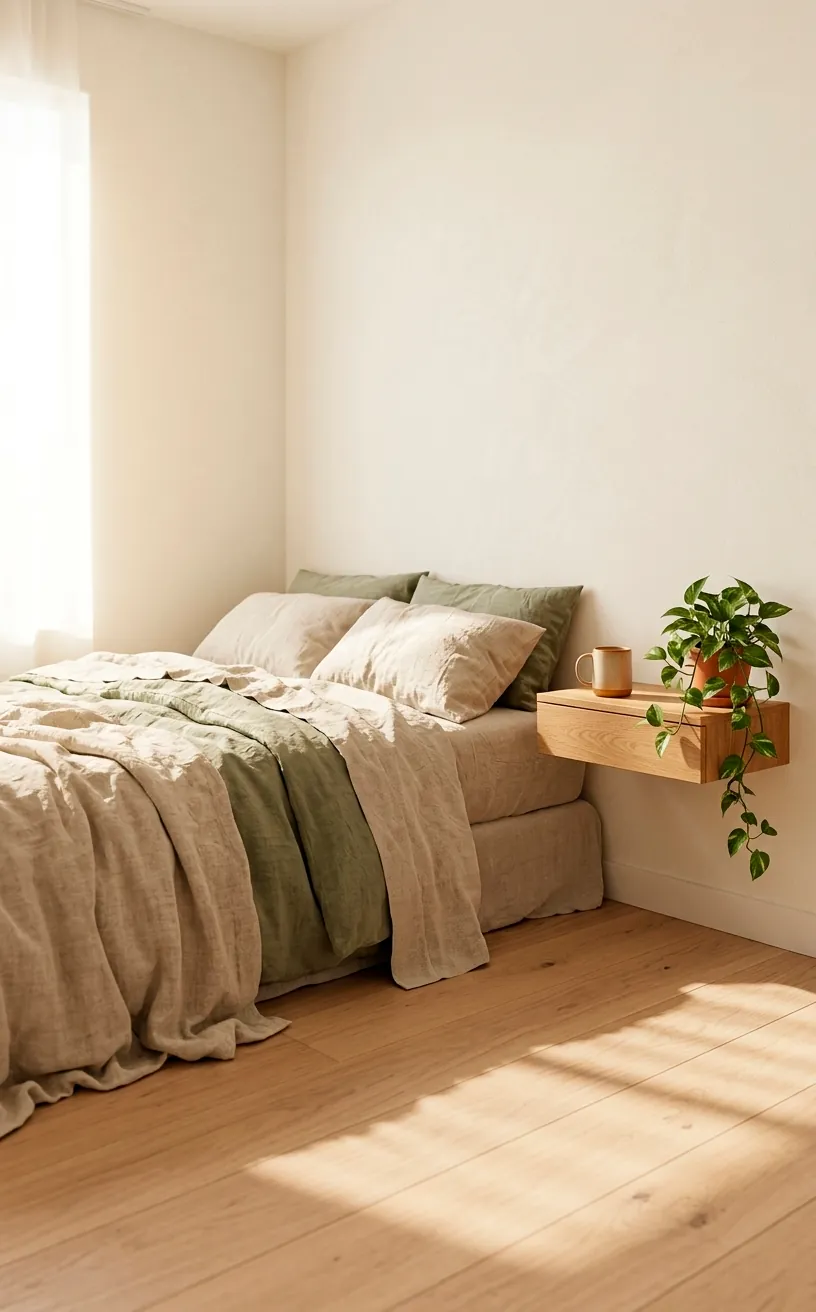
Placement under the window is a bit controversial among designers, but I love the morning light it provides. Centering your bed under the window turns that natural light source into a giant, glowing headboard that doesn’t cost a dime. This move saves precious wall space for taller furniture like dressers or wardrobes elsewhere in the room. Just ensure your window seals are tight unless you want a face full of winter draft. If you want more inspiration for tiny living, check out these cottagecore studio ideas to see how light transforms a space.
The Symmetrical Strategy
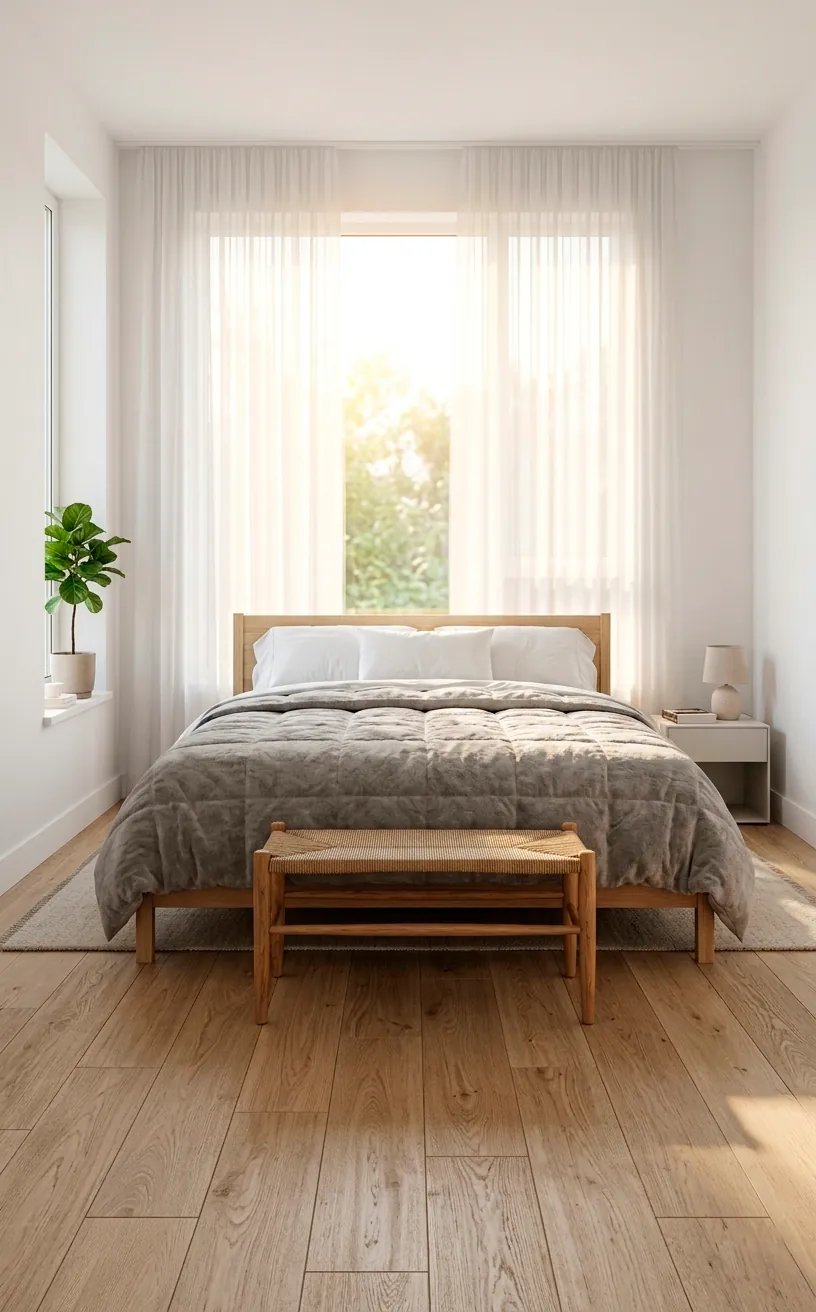
Sometimes, you just need that high-end hotel vibe even in a tiny space. Centering the bed on the main wall provides instant visual balance that calms the mind. It allows you to squeeze in two tiny nightstands, which keeps the room looking intentional rather than cramped.
Does it steal some floor space? A little. But the symmetry trickery makes your brain think the room is wider than it actually is.
I suggest using sconces instead of table lamps to keep those small nightstands clear of clutter. It is all about the little wins.
Symmetry creates a focal point that distracts from the lack of square footage.
The Floating Bed Concept
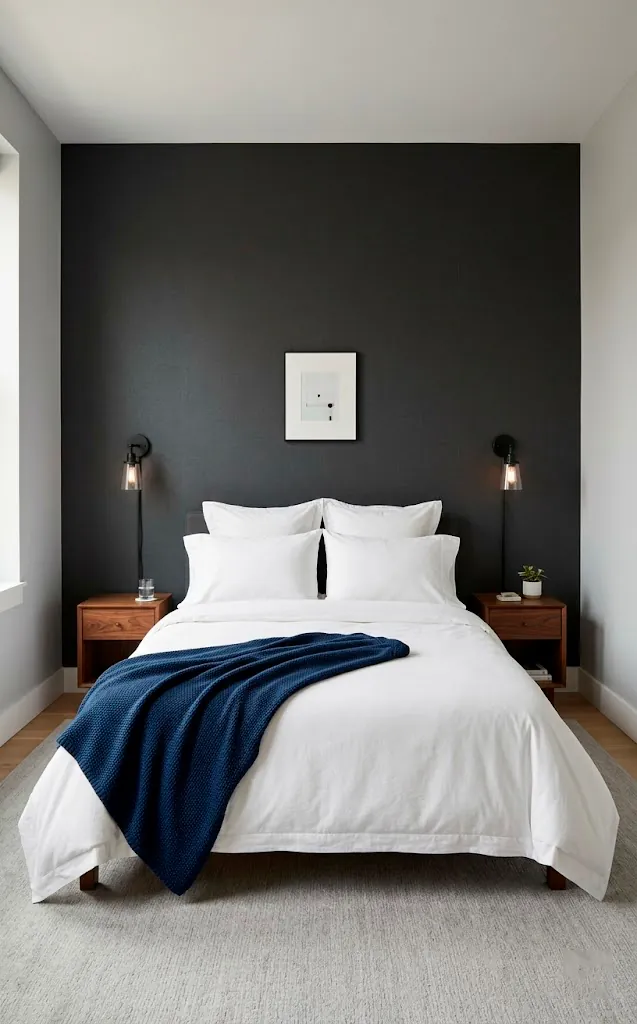
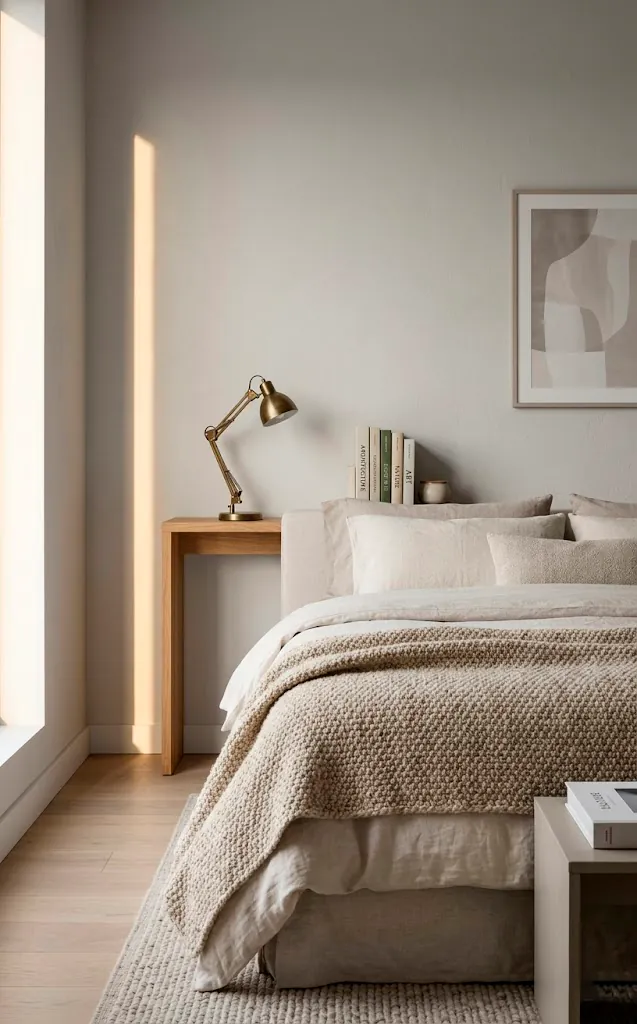
I know what you are thinking: floating a bed in a small room sounds like a recipe for a disaster. However, pulling the bed away from the wall just a few inches can actually create a sense of breathability. It stops the room from feeling like a storage unit where everything is jammed against the edges.
Place a slim console table behind the headboard to act as a shelf for books and lamps. This trick adds depth to the room and provides a hidden spot to tuck away charging cables. It is a sophisticated look that says, “I have plenty of space,” even if you are technically lying to yourself.
The Long Wall Hack
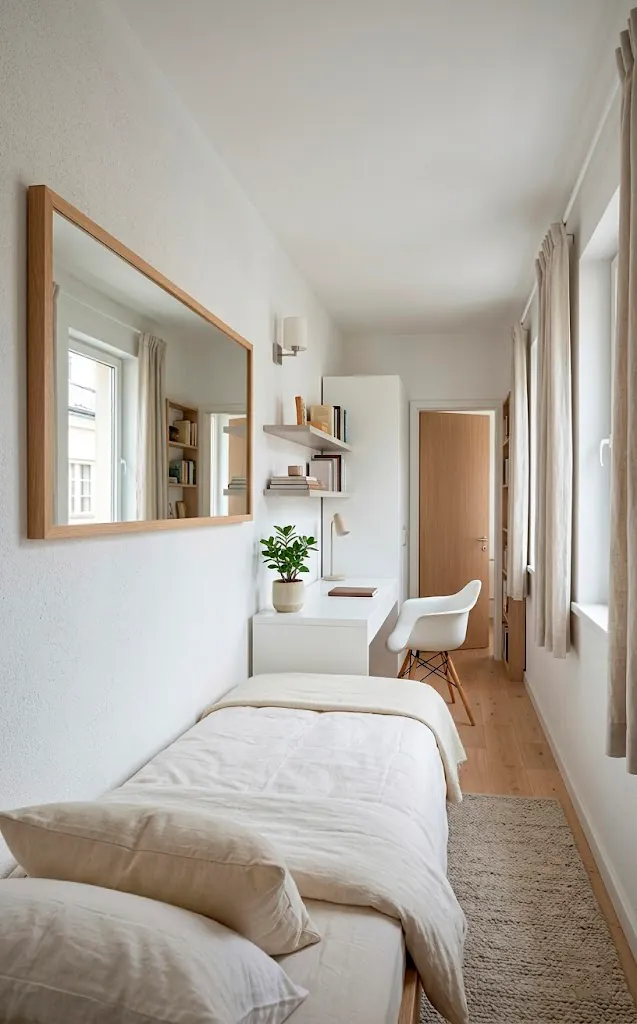
If your room is long and narrow, put the bed against the longest wall rather than the short one. This prevents the dreaded “bowling alley” look where the room feels like a hallway with a mattress at the end. I found that this layout leaves room for a small desk or a vanity at one end of the bed.
Use the extra length for a dedicated zone. FYI, this is a total game-changer for anyone working from home in their bedroom. If you need help picking the right pieces, these space-saving office furniture picks are life-savers.
It makes the room feel wider and more functional.
Going Vertical with Lofts
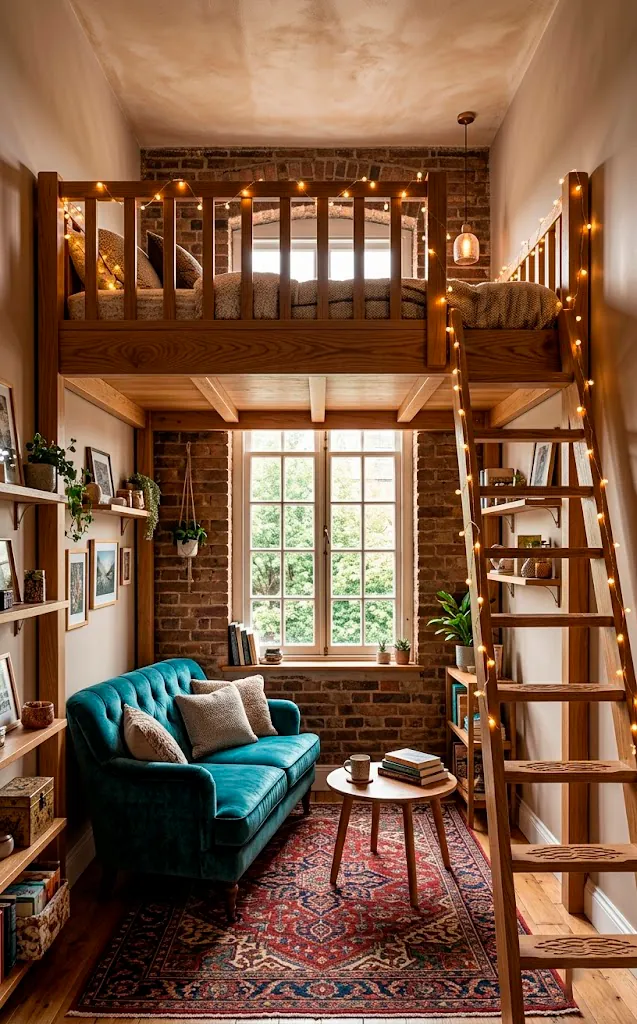
When you run out of floor, you look at the ceiling. I lived in a studio with 10-foot ceilings once, and lifting the bed changed my life. Lofting your bed creates an entire ‘bonus room’ underneath for a sofa, a desk, or a massive walk-in closet. It is the ultimate space-saving hack for anyone who doesn’t mind a little climb before sleep. Just make sure you don’t sit up too fast in the morning, or the ceiling will give you a very rude awakening.
Hidden Murphy Beds
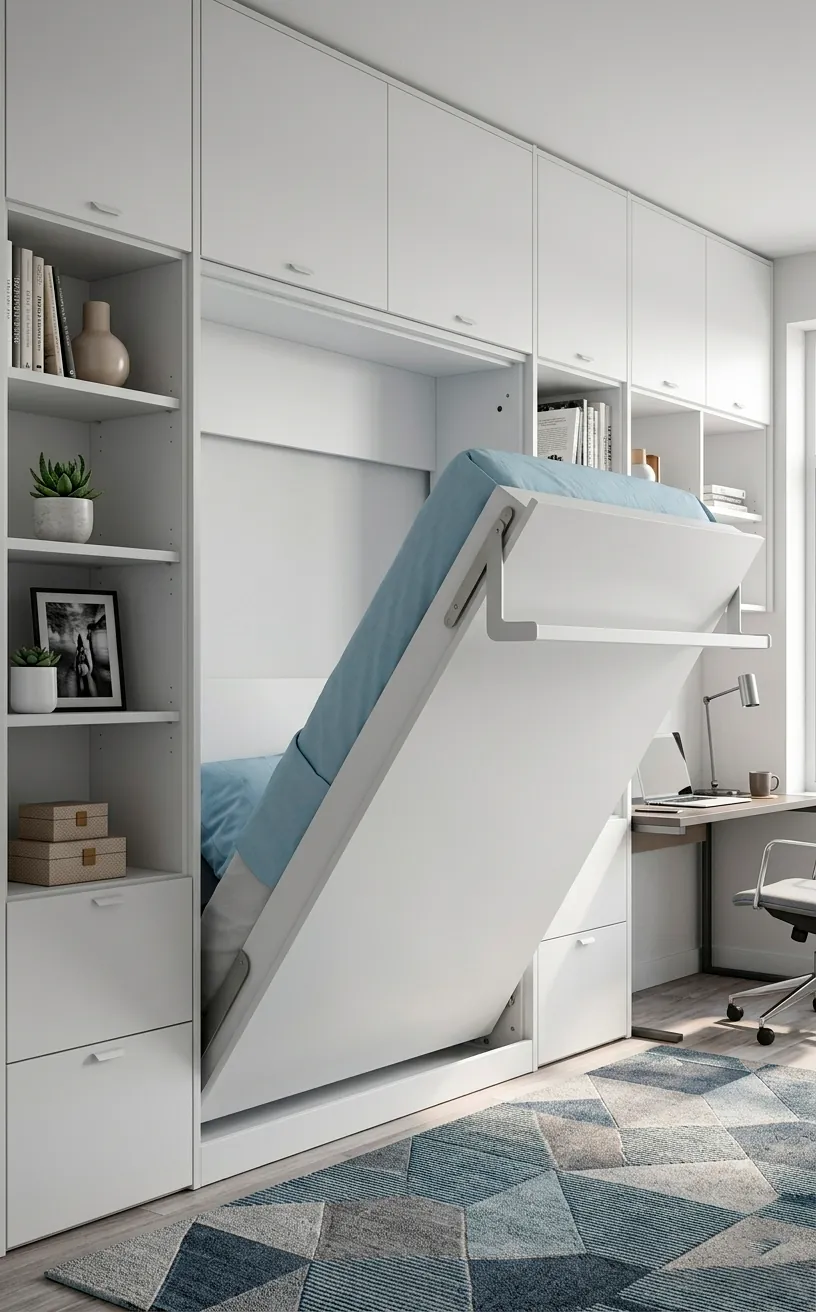
Murphy beds aren’t just for 1920s slapstick comedies anymore. Modern designs look like high-end cabinetry until you pull them down. A wall bed completely frees the floor during the day, which is perfect if your bedroom doubles as a yoga studio or a home office.
I love that you can literally hide your unmade bed when guests come over. It is the ultimate “lazy person” hack disguised as high-end organization. You get the best of both worlds: a real mattress and a room that doesn’t look like a bedroom at 2 PM.
The Cozy Alcove Retreat
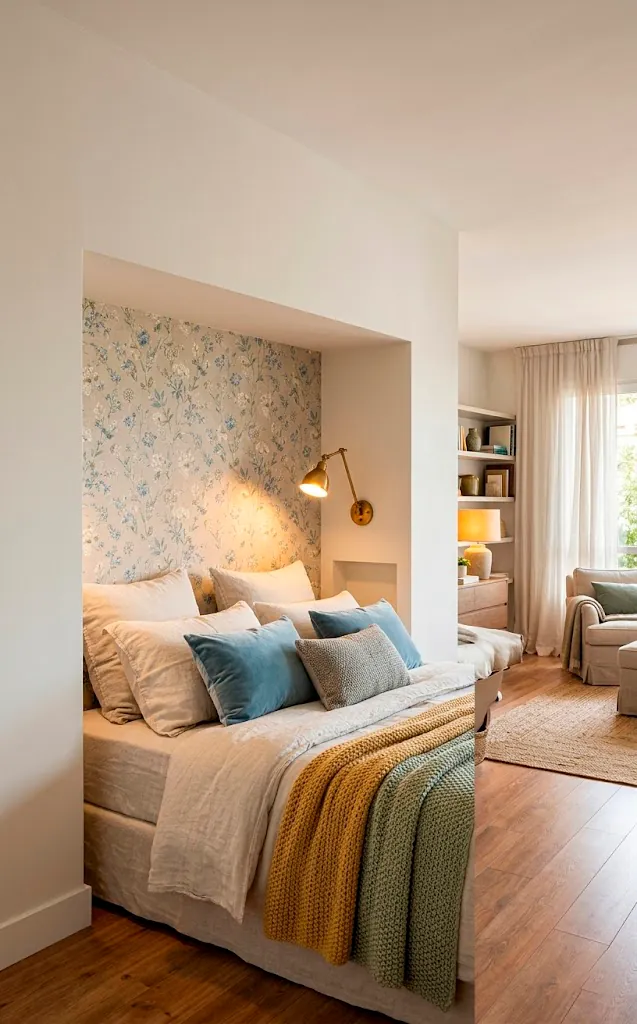
Got a weird niche or an architectural alcove in your room? Embrace the awkwardness. Tucking your bed into a recessed area makes the rest of the room feel like a wide-open gallery.
I suggest adding some peel-and-stick wallpaper inside the alcove to define the space and make it feel like a intentional design choice.
It basically creates a room within a room, which is a total vibe. 🛋️
This setup also provides a natural sense of security and coziness that an open floor plan just can’t match.
The Diagonal Strategy
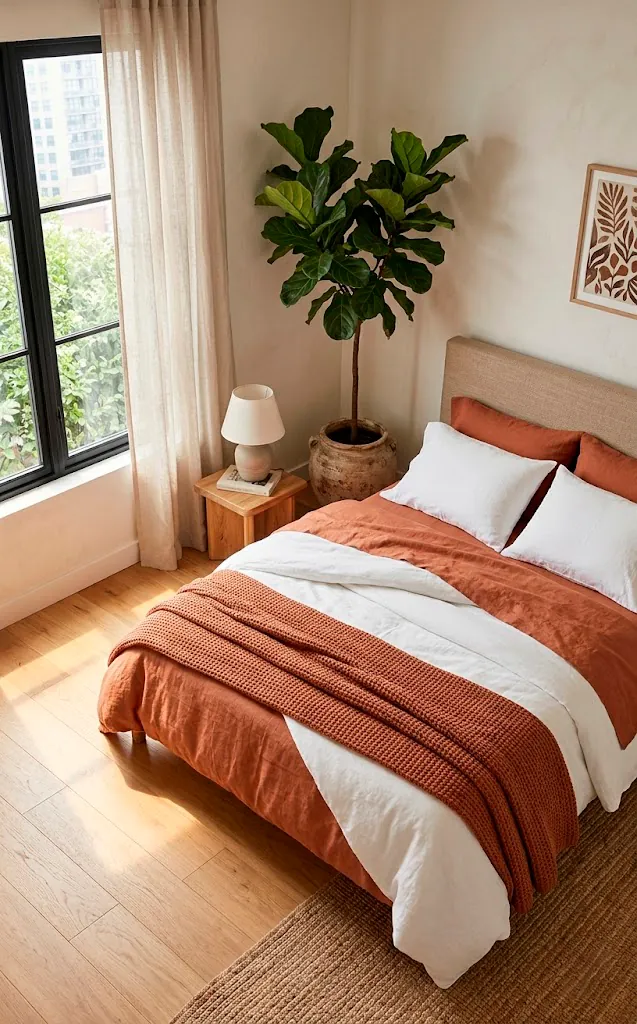
If your room is a perfect, boring square and feels cramped, try placing the bed on a diagonal. Angling the bed breaks the rigid lines of the room and creates long, triangular pockets of space behind the headboard for storage. It feels very “designer” and unexpected. Just be prepared for your vacuum to hate those new corners you just created. It is a bold move that works best in rooms where you really need to disrupt the flow to make it feel bigger.
Multi-Functional Zoning
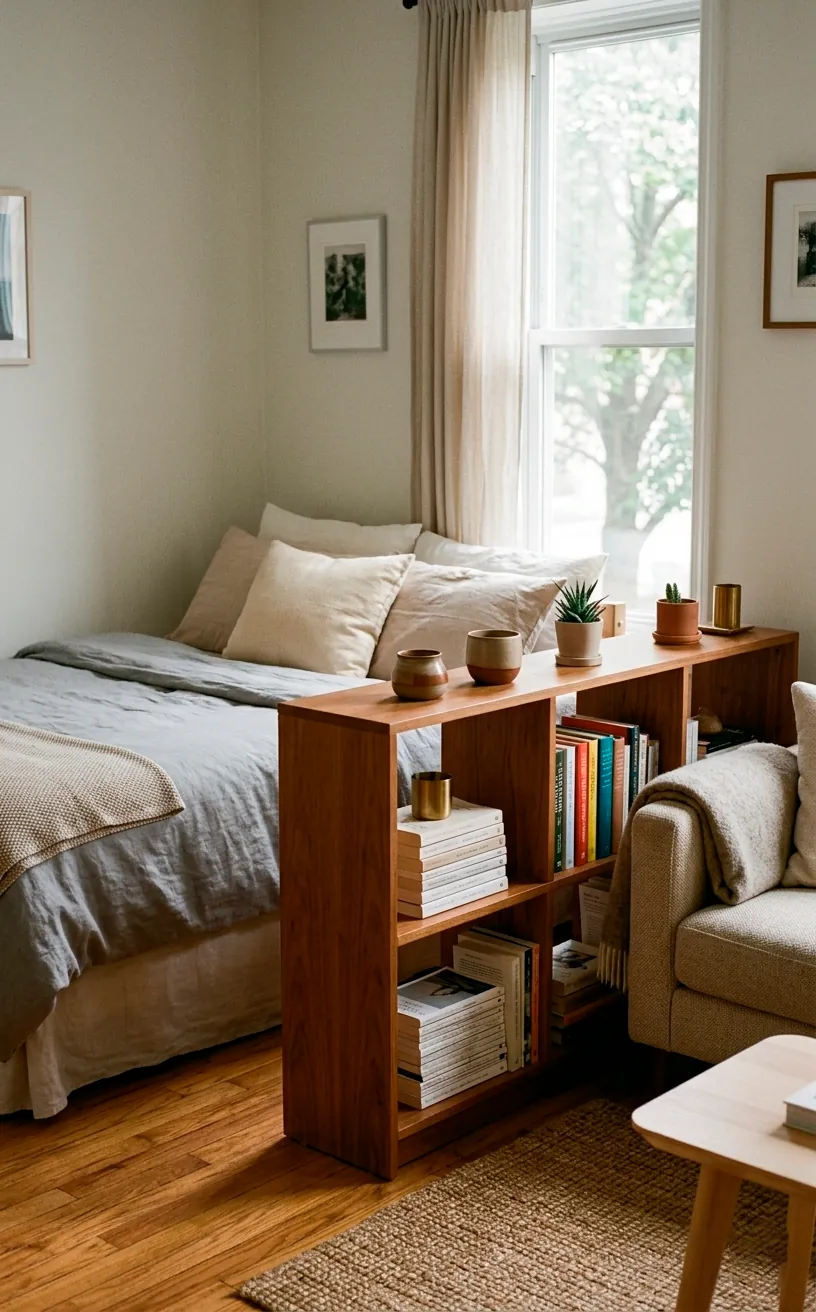
In a small space, your bed often has to do more than just hold you while you sleep. Use your bed as a divider. By placing the long side of the bed against a sofa or a low bookshelf, you create a physical barrier between the “sleep zone” and the “living zone.”
This helps your brain switch off at night because you aren’t staring directly at your workspace.
It is all about creating boundaries, even if those boundaries are only three feet apart. It works wonders for mental clarity in tiny homes.
Conclusion
Maxing out a small bedroom isn’t about having less stuff; it’s about being smarter than your floor plan. Whether you’re shoving that mattress into a cozy corner or going vertical with a loft, the right placement changes everything. Which layout are you going to try first to save your shins? Let me know in the comments and happy decorating!
Related posts
See All15 Vintage Circus Inspired Details for Playful Kids Bedroom Decor
Bring the magic of the big top home! Discover 15 playful, vintage circus-inspired decor details that will transform your kid's …
Read moreThe Complete Guide to Styling a Dining Room Credenza for Everyday Elegance
Give your dining room credenza the ultimate glow-up. Discover easy, elegant styling tips that balance everyday function with show-stopping design.
Read more15 Dried Citrus and Cinnamon Garlands for a Naturally Cozy Kitchen
Forget mass-produced decorations. Transform your kitchen into a naturally cozy, aromatic sanctuary with these 15 beautiful dried citrus and cinnamon …
Read moreThe Dog-Friendly Camper: Designing a Van Interior for Your Pets
Transform your camper van into the ultimate dog-friendly adventure mobile! Discover clever interior design hacks, durable materials, and cozy setups …
Read more